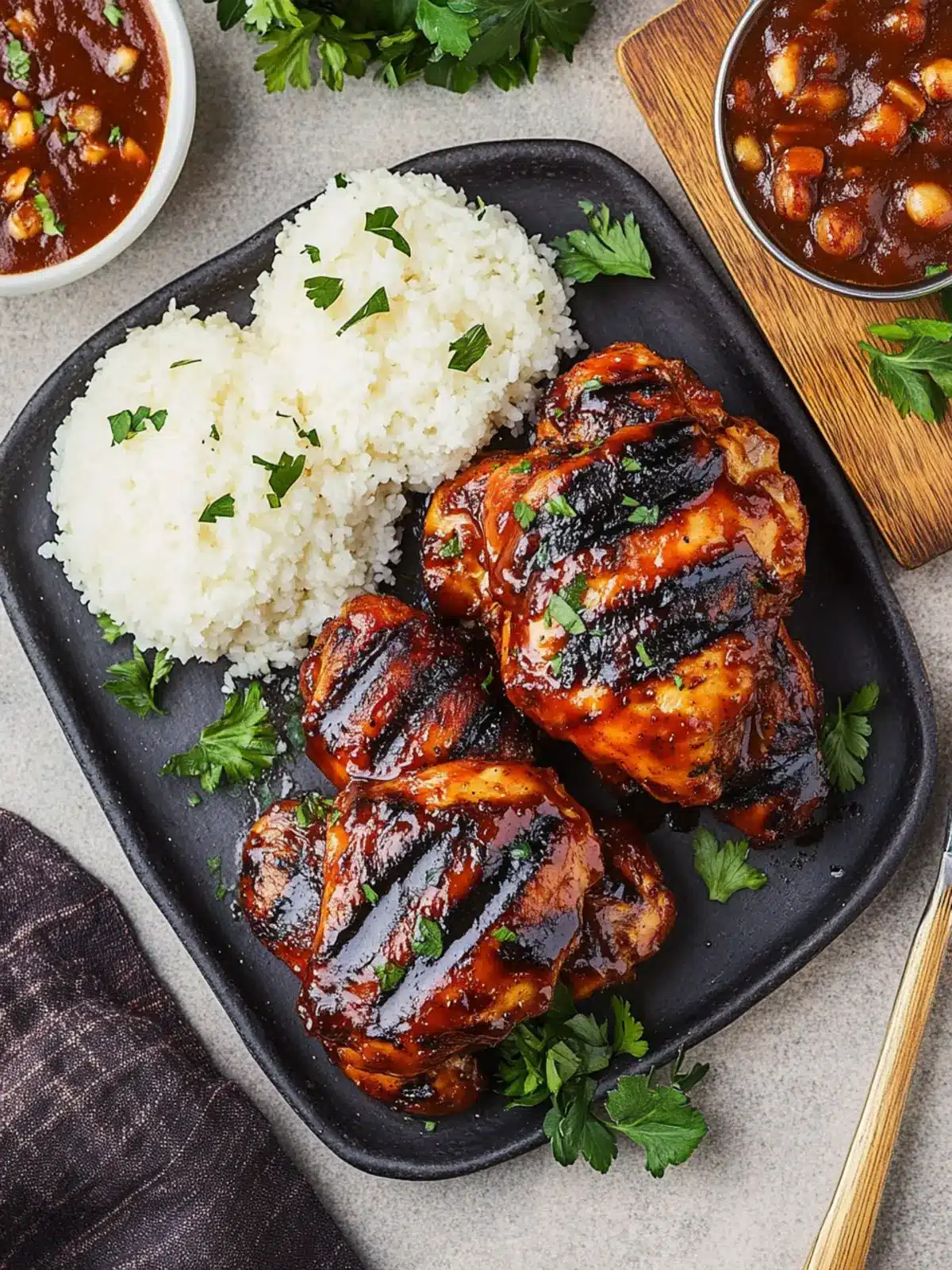
There's a universally acknowledged truth in the world of outdoor cooking: few things rival the simple pleasure of perfectly grilled chicken. But when it comes to specific cuts, barbecued chicken thighs stand head and shoulders above the rest. Their inherent juiciness, rich flavor, and forgiving nature make them the ideal candidate for anyone looking to master their grill. Forget dry, bland chicken breasts – today, we're diving deep into the art and science of grilling chicken thighs, ensuring every bite is succulent, smoky, and utterly delicious.
Why Chicken Thighs Are King of the Grill
For too long, the humble chicken thigh has been overshadowed by its leaner, often drier, breast counterpart. But ask any pitmaster or seasoned home cook, and they’ll tell you: thighs are where the flavor is at. Their higher fat content not only contributes to a richer taste but also provides a built-in safety net against overcooking. This makes them incredibly forgiving, even for novice grillers.
The Unbeatable Flavor and Texture
Chicken thighs boast a darker, more robust meat compared to breasts, meaning they have a deeper, more satisfying chicken flavor. This dark meat also contains more connective tissue and fat, which, when cooked correctly, renders down into a mouthwateringly tender texture. The result is a piece of meat that stays incredibly juicy from edge to edge, even when subjected to the high heat of a grill. Plus, when cooked with the skin on, you get that irresistible crispy, charred exterior that adds another layer of texture and taste.
Forgiveness on the Grill
One of the biggest anxieties when grilling is the fear of drying out your meat. Chicken breasts are notorious for this, turning chalky and unappetizing if cooked even a minute too long. Barbecued chicken thighs, however, are far more resilient. Their generous fat marbling acts as insulation and self-basting, allowing them to withstand higher temperatures and longer cooking times without becoming tough or dry. This inherent forgiveness makes them perfect for busy cooks or those still honing their grilling instincts, guaranteeing a delicious outcome almost every time.
Essential Prep for Perfect Barbecued Chicken Thighs
While chicken thighs are forgiving, a little preparation goes a long way in elevating them from good to truly great. The steps you take before they even hit the grates can significantly impact their flavor, juiciness, and the coveted crispy skin.
Choosing the Right Thighs
- Bone-in, Skin-on: This is generally the preferred choice for ultimate flavor and moisture retention. The bone helps conduct heat evenly, and the skin provides a protective barrier, basting the meat as it renders, leading to secrets for juicy, crispy barbecued chicken thighs.
- Boneless, Skinless: While convenient, these require more attention to prevent drying out. They cook faster, so adjust your grilling time accordingly. If you prefer this option, consider brining or marinating for extra moisture.
- Quality Matters: Always opt for fresh, high-quality chicken from a reputable source. Look for plump, firm thighs with good color.
The Power of Marinades and Rubs
Marinades and rubs are your secret weapons for infusing incredible flavor into your barbecued chicken thighs. They don't just add taste; many marinades contain acids (like vinegar, citrus, or buttermilk) that help tenderize the meat, while salt in rubs can enhance moisture retention.
- Marinades: Aim for at least 30 minutes, but ideally 2-4 hours, or even overnight for deeper flavor. Ensure your marinade contains oil to help with heat transfer and prevent sticking, an acid for tenderness, and a host of herbs, spices, and aromatics. Think garlic, onion, paprika, cumin, chili powder, soy sauce, and a touch of sweetness like brown sugar or honey. For more ideas, check out beyond basic: flavorful barbecued chicken thigh recipes.
- Dry Rubs: Apply a generous amount of your chosen rub at least 30 minutes before grilling, or ideally, an hour or two (or even overnight) to allow the flavors to penetrate. A good rub will typically contain salt, pepper, sugar (for caramelization and crust), and various spices.
Pro Tip: Always pat your chicken completely dry after marinating or applying a rub (unless the recipe specifically states otherwise) before placing it on the grill. Excess moisture creates steam, which hinders the development of that desirable crispy skin.
Mastering the Grill: Techniques for Barbecued Chicken Thighs
Grilling perfect barbecued chicken thighs is all about managing heat and understanding the interplay between direct and indirect cooking zones. This approach ensures a beautiful char, crispy skin, and meat cooked through to safe temperatures without burning or drying out.
Setting Up Your Grill (Charcoal vs. Gas)
- Charcoal Grill: Arrange your coals to create two zones. Pile the majority of coals on one side for direct, high heat, and leave the other side free for indirect, lower heat. This setup is crucial for precise cooking.
- Gas Grill: Preheat all burners to high, then turn one or two burners off, creating your indirect heat zone. Keep the remaining burner(s) on medium-high for direct searing.
Aim for a grill temperature of around 375-400°F (190-205°C) for the direct heat zone. This allows for good searing without immediately charring the outside.
The Two-Zone Cooking Method
This is the golden rule for grilling chicken thighs to perfection. You want that fantastic char and crispy skin, but you also need to cook the meat all the way through without burning the exterior.
- Sear (Direct Heat): Place the chicken thighs, skin-side down, over the direct heat zone. Cook for 3-5 minutes, until the skin is beautifully golden brown and crispy, with some charring. Watch carefully to prevent burning.
- Flip and Continue Searing (Direct Heat): Flip the thighs and sear the other side for another 3-5 minutes.
- Finish Cooking (Indirect Heat): Move the chicken to the indirect heat zone, skin-side up. Close the lid and continue cooking for 15-25 minutes, depending on thickness and whether they are bone-in or boneless. This slower, more gentle heat allows the interior to cook thoroughly without burning the exterior.
Expert Tip: If you are using a sweet barbecue sauce, apply it during the last 5-10 minutes of indirect cooking. Sugary sauces can burn easily over direct heat, so adding them towards the end allows them to caramelize without turning acrid.
Achieving Crispy Skin and Cooked-Through Meat
The key to that coveted crispy skin is high initial heat and a dry surface. As mentioned, patting the chicken dry is essential. The high direct heat helps render the fat in the skin quickly, making it crisp. The indirect heat then finishes the cooking process gently.
To ensure the meat is cooked through and safe, always use an instant-read meat thermometer. Insert it into the thickest part of the thigh, avoiding the bone. Barbecued chicken thighs are done when they reach an internal temperature of 170-175°F (77-79°C). While breast meat is often pulled at 165°F (74°C), thigh meat benefits from a slightly higher temperature, as it helps break down connective tissues further, resulting in an even more tender and juicy final product.
Troubleshooting and Tips for Success
Even with the best techniques, grilling can present challenges. Knowing how to troubleshoot and applying a few extra tips will ensure your barbecued chicken thighs are consistently excellent.
Common Pitfalls to Avoid
- Overcrowding the Grill: Don't try to cram too many thighs onto the grates. This lowers the grill temperature and creates steam, preventing proper searing and crisping. Work in batches if necessary.
- Opening the Lid Too Often: Each time you lift the grill lid, you lose heat, extending cooking time and making temperature control difficult, especially in the indirect zone. Resist the urge to peek constantly.
- Not Cleaning Your Grates: Dirty grates lead to sticking. Always preheat your grill, then scrape it clean with a wire brush before adding food.
- Cooking Cold Chicken: Let your chicken thighs come to room temperature for about 20-30 minutes before grilling. This promotes more even cooking.
The Importance of Resting
Once your chicken thighs reach their target internal temperature, resist the urge to cut into them immediately. Transfer them to a clean cutting board or platter, tent loosely with foil, and let them rest for at least 5-10 minutes. This crucial step allows the juices, which have been pushed to the center by the heat, to redistribute throughout the meat. The result? Incredibly moist and flavorful chicken.
Another Key Tip: Keep a spray bottle filled with water or apple cider vinegar handy. If you notice any flare-ups from dripping fat, a quick spritz can calm the flames without washing away your seasoning or cooling the grill too much.
For an added layer of flavor and protection, especially if you're worried about sticking, lightly oil your grill grates just before placing the chicken. Use a high smoke point oil like canola, grapeseed, or avocado oil on a paper towel, held with tongs.
Beyond the Basics: Flavorful Variations
While a simple salt and pepper rub can be fantastic, the versatility of barbecued chicken thighs truly shines when you experiment with different flavor profiles. From spicy jerk marinades to tangy lemon-herb rubs, the possibilities are endless. Consider integrating smoked paprika, chili flakes, or even a hint of espresso into your dry rubs for unexpected depth. For a more Asian-inspired twist, a marinade with soy sauce, ginger, garlic, and sesame oil works wonders. Don't be afraid to mix and match; the robust nature of chicken thighs can stand up to bold flavors.
Experiment with different wood chips (like apple, hickory, or cherry) on your charcoal grill for an extra layer of smoky aroma. On a gas grill, you can use a smoker box with wood chips to infuse that authentic barbecue flavor.
Remember, the goal is not just to cook the chicken, but to create a memorable meal. Pay attention to the details – the quality of your ingredients, the precision of your prep, and the mastery of your grill setup – and you’ll be rewarded with consistently perfect barbecued chicken thighs that will impress every time.
Conclusion
Grilling perfect barbecued chicken thighs is not just about technique; it's about embracing a cut of meat that offers incredible flavor, tenderness, and a remarkable degree of forgiveness. By choosing the right thighs, investing in good preparation with marinades or rubs, mastering the two-zone grilling method, and allowing the meat to rest, you're guaranteed a culinary triumph every time. With their crispy skin, juicy interior, and deep smoky flavor, these thighs are truly a testament to the magic of outdoor cooking. So fire up your grill, follow these steps, and get ready to enjoy some of the most delicious chicken you’ve ever made.
